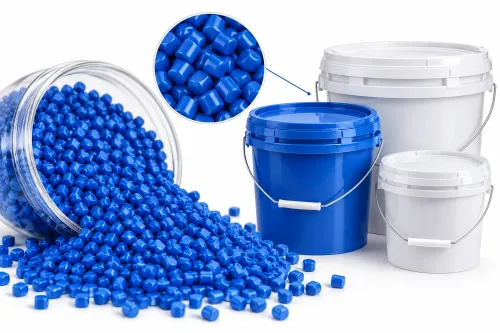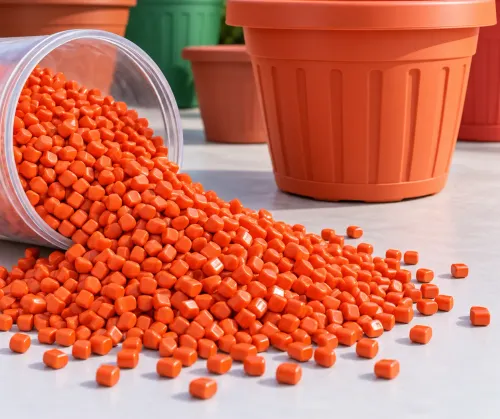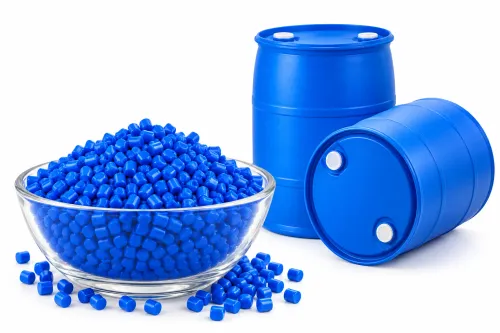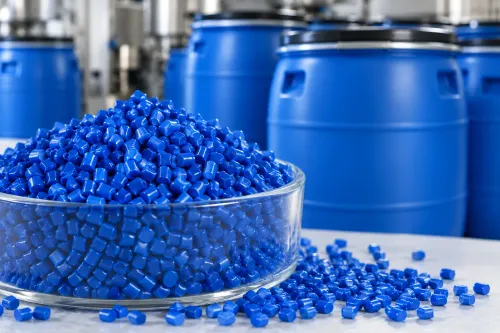
Plastic materials are used in countless products, from electrical enclosures and automotive parts to construction materials and household appliances. While plastics offer durability and flexibility, many standard polymers are combustible. This is where flame retardant masterbatches become an essential part of modern plastic manufacturing. They help improve fire resistance without significantly affecting the processing characteristics of the base polymer.
Manufacturers across Rajasthan, including industrial businesses in Jaipur, increasingly rely on flame retardant additives to comply with safety regulations while maintaining product quality. Understanding how these masterbatches work helps businesses choose suitable solutions for different applications.
What Are Flame Retardant Masterbatches?
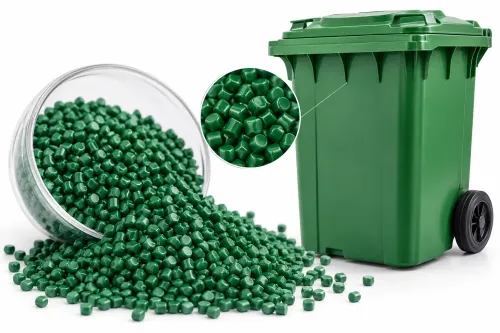
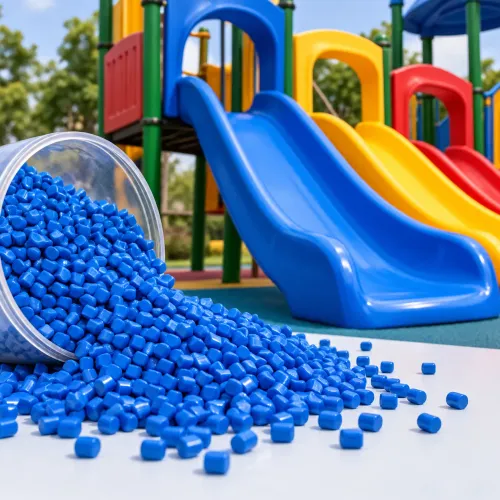
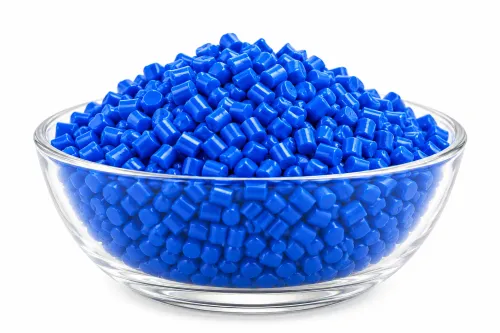
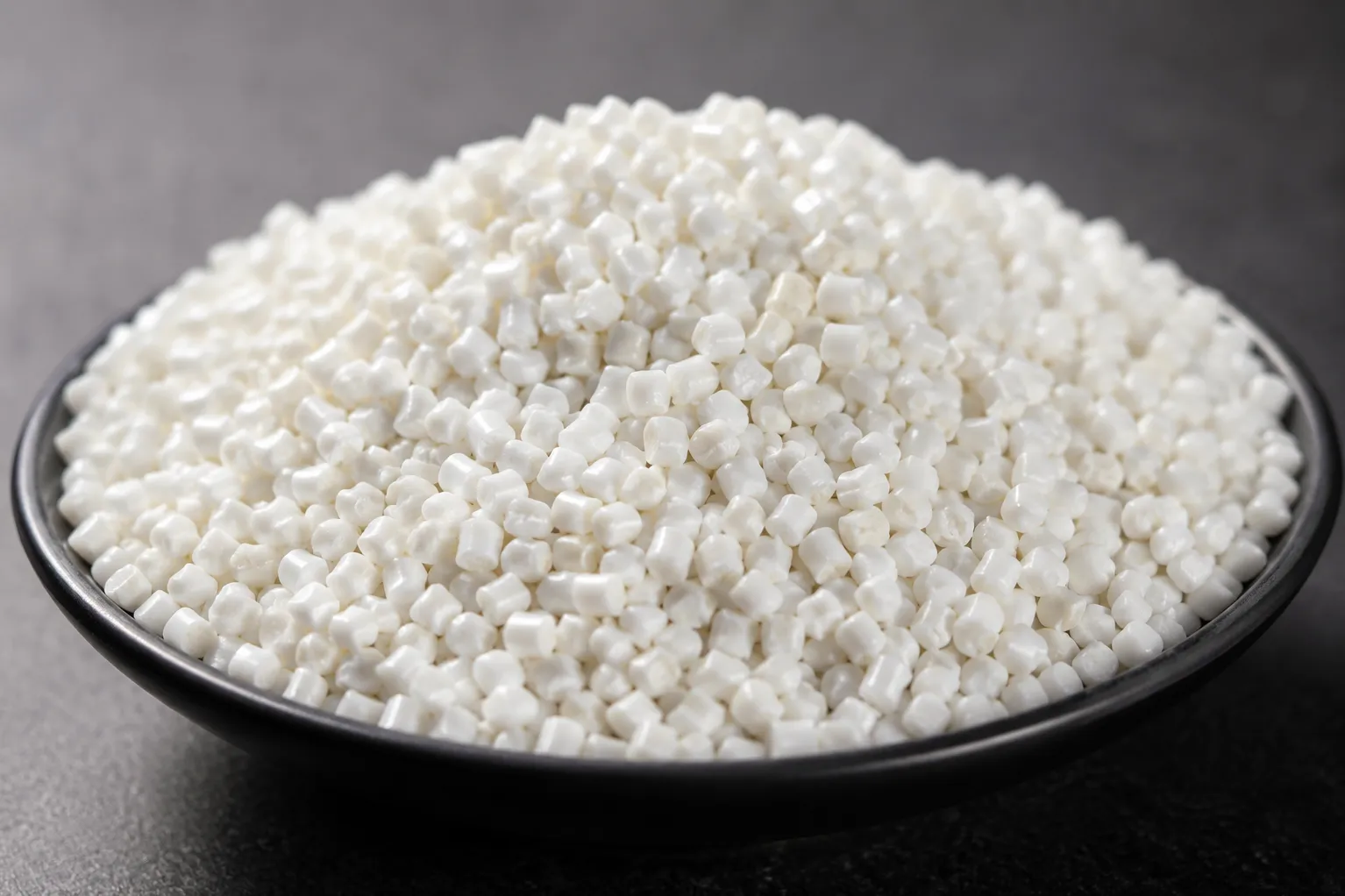
Flame retardant masterbatches are concentrated additive compounds that are blended into plastic during manufacturing. Their purpose is to reduce the spread of flames, slow ignition, and minimize fire-related risks in finished plastic products.
Instead of changing the entire polymer formulation, manufacturers can incorporate the masterbatch during processing, making production more efficient and consistent.
Depending on the application, these masterbatches may be designed for polymers such as:
- Polypropylene (PP)
- Polyethylene (PE)
- PVC
- PET
- Engineering plastics
Each formulation is developed to meet specific performance and regulatory requirements.
How Do They Improve Fire Resistance?
Different flame retardant technologies work in different ways, but their primary objective remains the same, reducing the ability of plastic to sustain combustion.
Some formulations:
- Create a protective char layer
- Release flame-inhibiting compounds
- Reduce heat generation
- Limit oxygen availability during combustion
- Slow flame propagation
These mechanisms help improve product safety in demanding environments.
Industries That Commonly Use Flame Retardant Masterbatches
Many industries require higher fire safety standards because plastic components are exposed to heat, electricity, or challenging operating conditions.
Common applications include:
- Electrical switchboards
- Wire and cable insulation
- Consumer electronics
- Automotive interior components
- Industrial equipment
- Building and construction products
- Plastic furniture
- Appliance housings
Each application requires a carefully selected formulation based on processing conditions and performance expectations.
Advantages Beyond Fire Safety
Choosing the right flame retardant masterbatch offers several manufacturing advantages beyond meeting fire regulations.
These include:
- Better product reliability
- Improved compliance with industry standards
- Consistent additive dispersion
- Stable processing performance
- Reduced production variability
- Enhanced durability in demanding environments
Manufacturers often find that a well-formulated masterbatch contributes to both safety and production efficiency.
Factors to Consider Before Selecting a Flame Retardant Masterbatch
Not every flame retardant solution performs equally across different polymers or manufacturing processes. Several technical factors should be evaluated before making a selection.
Important considerations include:
Base Polymer Compatibility
The masterbatch should be designed specifically for the polymer being processed.
Processing Temperature
High processing temperatures require thermally stable formulations that maintain performance during extrusion or injection molding.
Regulatory Requirements
Some industries require compliance with national or international fire safety standards. Choosing the appropriate formulation helps manufacturers meet these requirements.
Mechanical Performance
An effective masterbatch should improve fire resistance without significantly reducing strength, flexibility, or impact resistance.
End-Use Environment
Products intended for indoor electrical use differ greatly from outdoor industrial applications. Environmental exposure should always influence material selection.
Common Misconceptions
Many buyers assume that increasing additive loading automatically produces better fire resistance. In reality, excessive loading may affect processing efficiency, mechanical properties, or product appearance.
Another misconception is that one formulation suits every polymer. Flame retardant systems are carefully engineered for specific applications, making compatibility an important consideration during product development.
Why Quality Matters
The consistency of additive dispersion directly affects the performance of finished plastic products. Poor-quality masterbatches may produce uneven protection, color variation, or processing difficulties.
Established manufacturers invest in controlled production systems, quality testing, and formulation development to ensure reliable results.
For businesses evaluating masterbatch suppliers, technical support is equally valuable. Guidance on dosage, compatibility, and application testing often helps reduce production issues before commercial manufacturing begins.
Khetan Polytex Private Limited develops masterbatch solutions for a wide range of industrial applications, focusing on consistent quality and application-specific performance. Businesses exploring technical product information often review specifications available through rajhansmasterbatches.com as part of their material evaluation process.
As industries continue to prioritize product safety and regulatory compliance, flame retardant masterbatches remain an important component in manufacturing safer, higher-performing plastic products.
Keywords