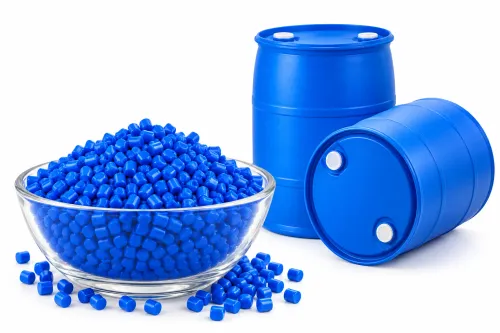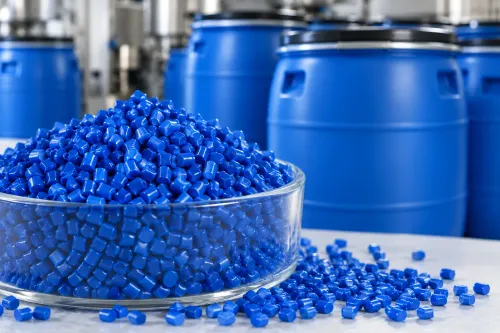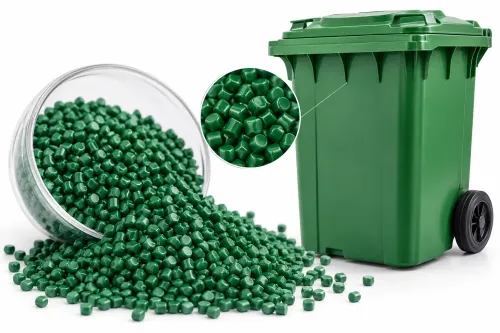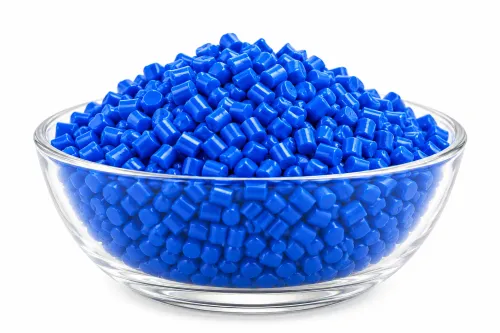
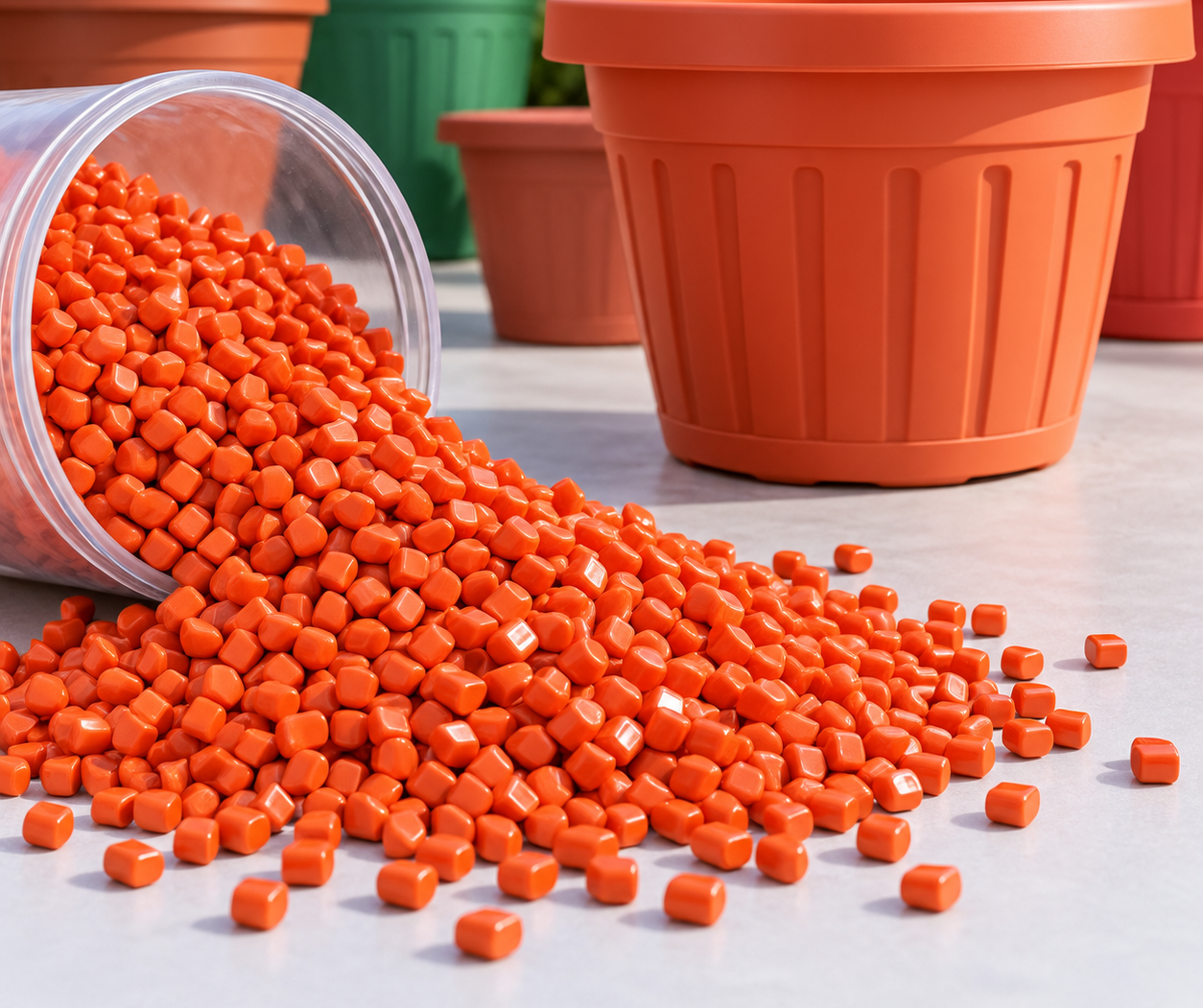
Plastic flower pots are produced in a wide range of colours, shapes, sizes, finishes, and polymer formulations. Because appearance plays a significant role in consumer-facing garden products, manufacturers need more than a generic colour concentrate. A supplier of Masterbatches for Flower Pots should be able to understand how colour requirements interact with the actual moulding application.
For flower-pot manufacturers in Jaipur and the wider Rajasthan market, supplier readiness can often be assessed through the questions asked before a grade is recommended.
Application Details Should Come Before Recommendations
A supplier should first understand what is being manufactured.
Relevant questions may cover polymer type, moulding method, target shade, surface finish, product thickness, recycled-content use, outdoor exposure, and expected production volume.
These details influence how a colour appears and performs in the finished product.
A recommendation made without understanding the application may require more adjustments during production.
Colour Development Should Reflect the Finished Pot
Flower pots are available in terracotta-inspired shades, greens, blacks, whites, greys, bright decorative colours, and custom tones.
The visual result can change according to the resin, dosage, surface texture, and thickness of the moulded component.
When assessing Masterbatches for Flower Pots, manufacturers should therefore compare the trial product against the desired standard under suitable viewing conditions.
Outdoor Applications Need a Broader Discussion
Many flower pots are used on balconies, terraces, gardens, nurseries, and outdoor commercial spaces.
Where outdoor durability is a product requirement, manufacturers should discuss the relevant stabilisation needs with the supplier. Colour and UV-related performance should not be treated as automatically interchangeable.
The appropriate formulation depends on the complete product and material specification.
Consistency Matters Across Product Ranges
A manufacturer may use one colour across multiple pot sizes.
Maintaining a similar appearance across different moulds can be challenging because wall thickness, surface texture, and processing conditions may vary.
The production team should therefore test whether the approved dosage delivers an acceptable appearance across the intended product range.
Commercial Readiness Includes Supply Considerations
A suitable supplier relationship also involves practical procurement questions.
Manufacturers may want clarity on:
- Grade identification
- Packaging
- Batch consistency
- Typical order quantities
- Colour-development requirements
- Technical information needed for repeat orders
- Handling of revised shade requirements
These factors become increasingly relevant as production volumes grow.
Khetan Polytex Private Limited supplies masterbatch and polymer additive solutions for a variety of plastics applications. Manufacturers discussing flower-pot requirements can provide actual resin and product details so that potential grades can be evaluated under representative conditions.
Frequently Asked Questions
Can One Colour Grade Work Across Different Pot Sizes
Possibly, but wall thickness, resin, finish, and processing can change the visual result. Production trials provide better confirmation.
Should Recycled Polymer Be Disclosed
Yes. Recycled feedstock can influence background colour and consistency.
Is an Approved Physical Sample Useful
Yes. It gives the manufacturer and supplier a clearer reference than a general colour description.
Choosing a provider of Masterbatches for Flower Pots should involve evaluating technical communication, application understanding, colour consistency, and production practicality. A supplier that understands the finished product can contribute to a more controlled material approval process than one focused only on supplying a requested colour.
Keywords