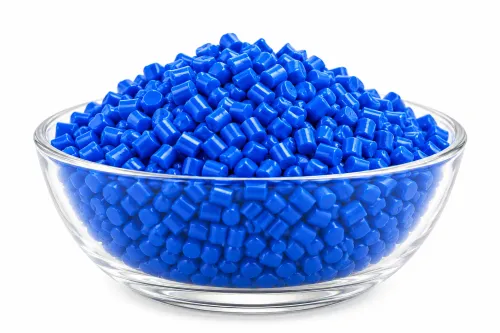
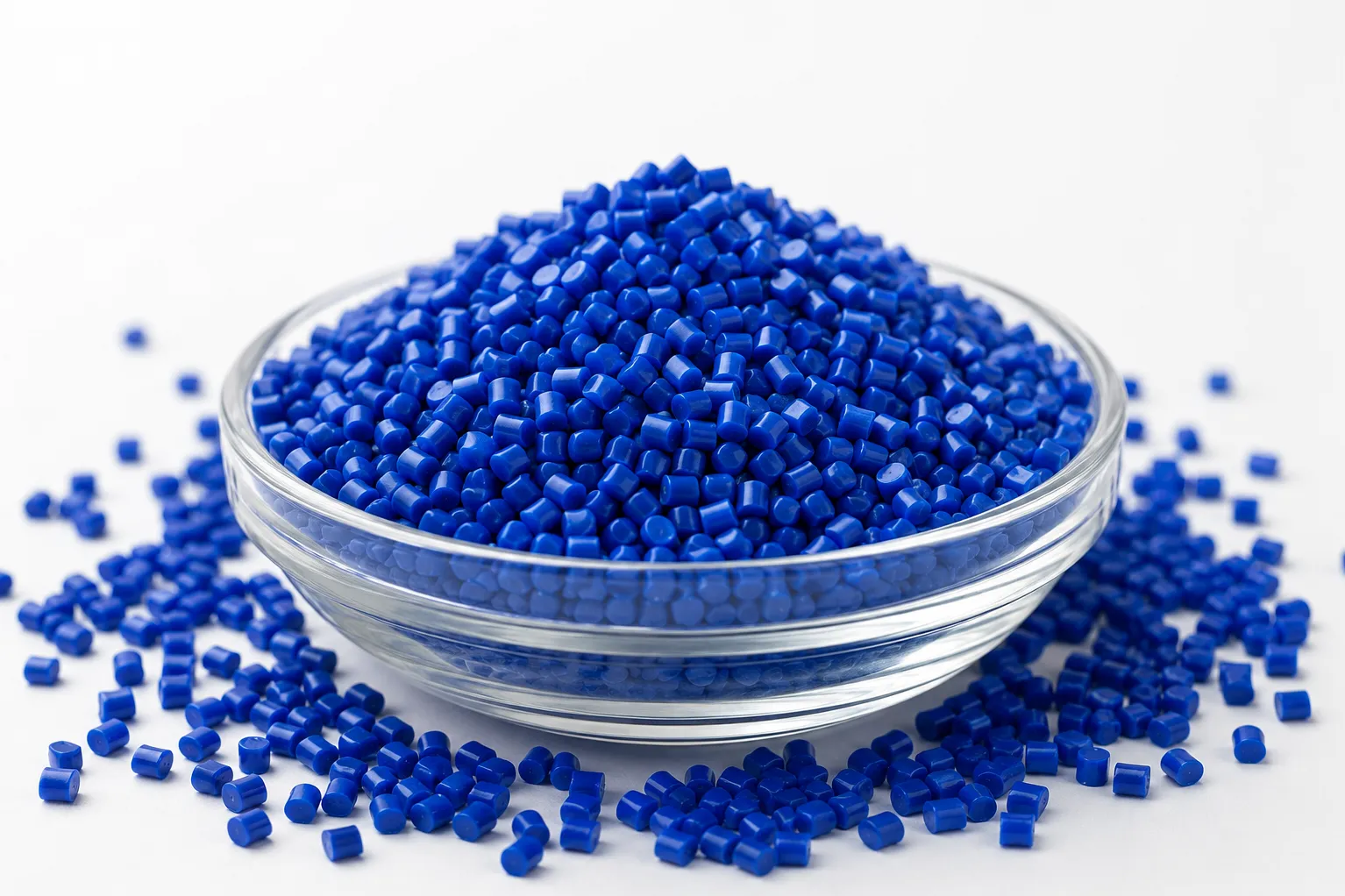
Colour variation in multifilament yarn can affect weaving, knitting, texturing, and finished textile appearance. When manufacturers experience inconsistent shades, Masterbatches for multifilament are often among the materials examined. However, the masterbatch is only one possible source of variation.
A systematic investigation helps processors determine whether the problem originates from material selection, dosing, processing conditions, contamination, or another production variable.
Identify the Pattern of Variation
Manufacturers should first determine whether colour differences occur:
- Between production batches
- Between yarn packages
- During one continuous run
- After a raw-material change
- Following equipment cleaning
- After changing processing parameters
The pattern can provide useful clues about the underlying cause.
Verify Masterbatch Dosing
Inaccurate dosing can cause noticeable shade differences.
Even suitable Masterbatches for multifilament can produce inconsistent results when feeding equipment does not deliver material uniformly.
Dosing equipment should therefore be calibrated before assuming that the formulation itself is responsible.
Examine Dispersion Quality
Fine filaments require pigments to distribute effectively throughout the polymer.
Manufacturers should examine processed yarn for evidence of uneven colour distribution. A formulation developed for another plastic application may not necessarily provide the dispersion characteristics required for multifilament production.
Review Processing Temperature
Processing temperature can influence colour behaviour.
Manufacturers should compare actual machine temperatures with established settings. Residence time, polymer condition, and machine fluctuations should also be reviewed when investigating unexplained shade changes.
Use Controlled Troubleshooting
A useful investigation can include:
- Checking masterbatch lot details
- Reviewing polymer lot information
- Calibrating dosing equipment
- Comparing temperature records
- Checking material handling
- Investigating contamination
- Comparing yarn with an approved reference
Changing one factor at a time helps identify the actual source.
Supporting Regional Textile Processors
Textile manufacturers in Jaipur and across Rajasthan often serve customers requiring repeatable product specifications.
Khetan Polytex Private Limited manufactures masterbatch solutions for different polymer-processing requirements. Multifilament manufacturers experiencing colour problems can provide information about their polymer, dosage, processing temperature, target shade, and observed variation to support technical evaluation.
Using appropriate Masterbatches for multifilament together with disciplined process control can help manufacturers establish more stable yarn production while reducing unnecessary material changes.
Keywords