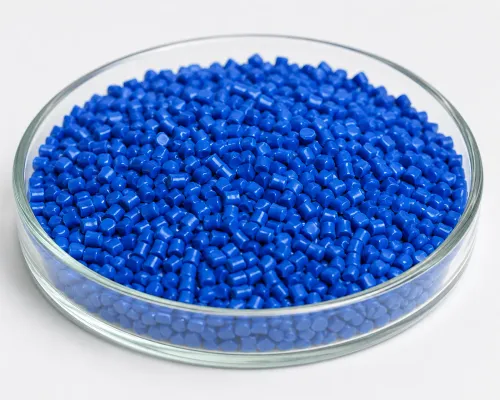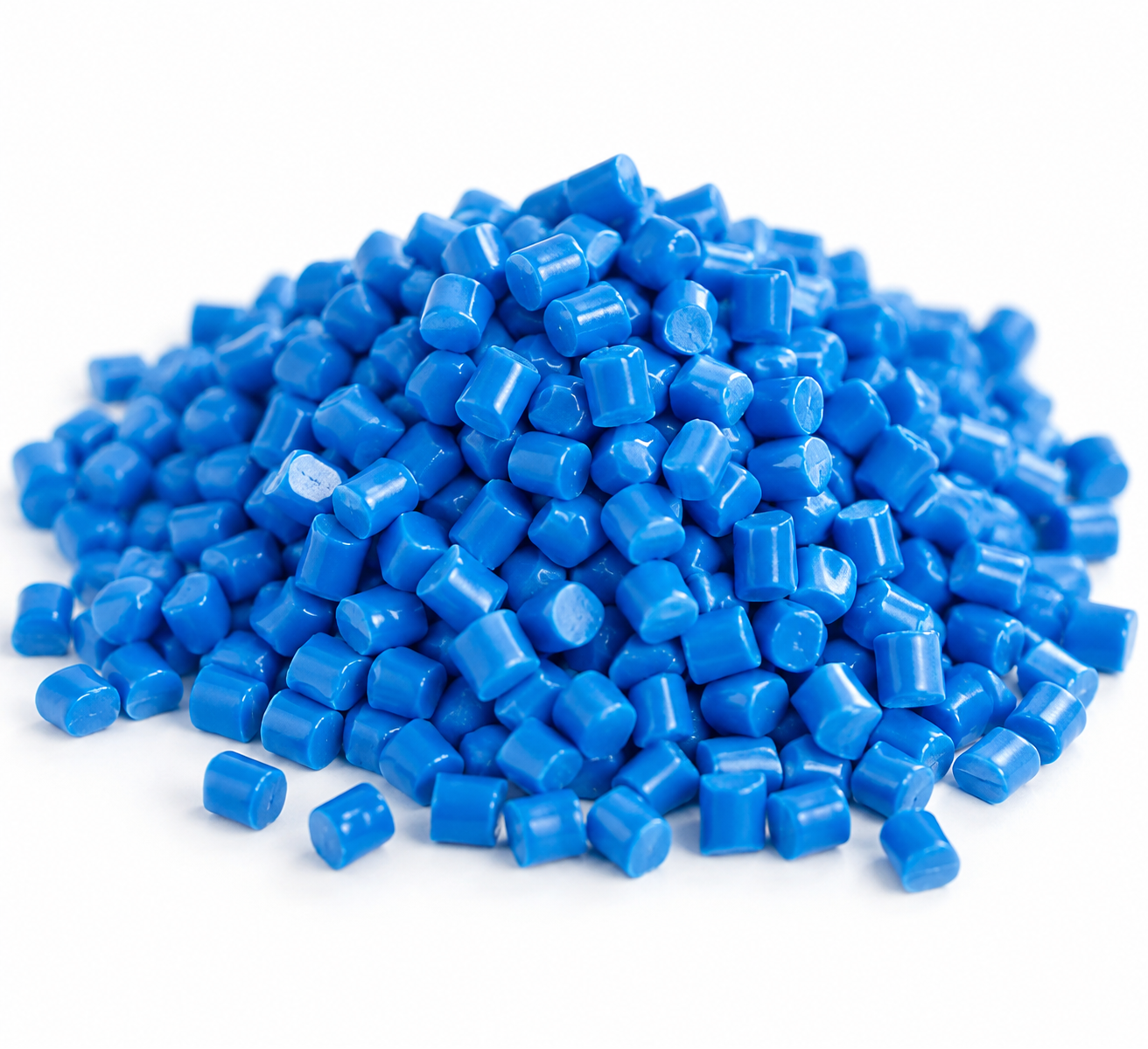
Multi-layer film manufacturing requires more than simply combining different polymer layers. Each layer may have a specific role, such as providing strength, appearance, sealing performance, barrier properties, printability, or processing stability. This makes material selection particularly important when manufacturers are choosing Masterbatches for Multilayer Films for production.
For film manufacturers and polymer processors in Jaipur and other industrial regions of Rajasthan, the right masterbatch should work consistently with the polymer system, processing conditions, film thickness, and intended end application.
Why Multilayer Film Applications Need Careful Masterbatch Selection
In a multi-layer structure, a masterbatch used in one layer can influence the appearance and processing behaviour of the finished film.
Uniform dispersion is particularly important. Poor pigment distribution may create streaks, uneven colour, visible particles, or variations across the film surface. These issues become more noticeable when manufacturers are producing thin films at high line speeds.
Compatibility with the carrier resin also matters. PE-based films, for example, require masterbatch formulations suited to the polymer and processing conditions being used.
Manufacturers should therefore consider:
- Base polymer compatibility
- Required colour shade
- Opacity and coverage
- Addition rate
- Dispersion quality
- Processing temperature
- Film thickness
- End-use requirements
These factors help determine whether a masterbatch is suitable for routine commercial production.
Colour Consistency Matters Across Production Runs
Packaging manufacturers frequently need to reproduce the same visual appearance across multiple batches.
A colour that varies between production runs can create difficulties when finished rolls are supplied to brand owners, converters, or packaging customers. Consistent pigment dispersion and controlled formulation can help reduce these variations.
Manufacturers should ideally evaluate trial samples under actual production conditions rather than judging masterbatch pellets only by their physical appearance.
Processing Performance Should Not Be Overlooked
A masterbatch needs to perform effectively inside processing equipment as well as deliver the required finished-film appearance.
Processors may need to observe melt behaviour, die performance, dispersion, output consistency, and any changes in film quality during trials. A formulation that creates excessive processing difficulties may reduce production efficiency even when the initial colour appears acceptable.
This is especially relevant for Jaipur-based manufacturers operating continuous film extrusion lines where interruptions can affect output and production schedules.
What Should Film Manufacturers Ask Before Purchasing
Before selecting a grade, buyers should share meaningful application details with the manufacturer or supplier.
Useful information includes the polymer being processed, film construction, layer in which the masterbatch will be used, target shade, desired opacity, processing conditions, and expected end use.
Rather than asking only for a particular colour, describing the actual application gives the manufacturer a clearer basis for recommending an appropriate grade.
Khetan Polytex Private Limited works in the masterbatch and polymer additive segment, serving manufacturers whose requirements can vary according to polymer, process, and finished product.
Frequently Asked Questions
Can the Same Masterbatch Be Used in Every Film Layer
Not automatically. Different layers may use different polymers and perform different functions. Compatibility should be evaluated according to the specific film structure.
Why Does Masterbatch Dispersion Matter in Thin Films
Thin films can make pigment agglomeration and uneven distribution more visible. Good dispersion helps support a more uniform appearance.
Should a Production Trial Be Conducted
A controlled trial can help manufacturers evaluate colour, dispersion, process behaviour, and finished-film quality under their own operating conditions.
Selecting Masterbatches for Multi layer Films should therefore be treated as an application decision rather than simply a colour purchase. When polymer compatibility, dispersion, processing behaviour, and final performance are evaluated together, manufacturers can make a more informed material choice.