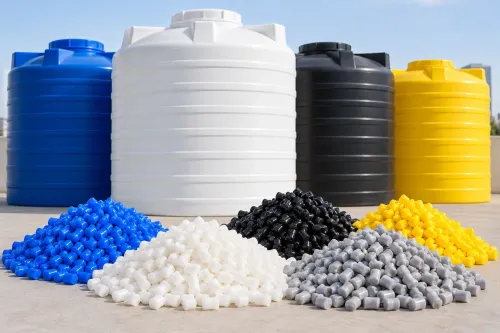

A carry-bag masterbatch must work with the actual polyethylene grade, film process, finished gauge and service conditions—not just produce an attractive pellet or colour plaque. By the end, you will have a practical basis for setting dosage, comparing supplier data, running a representative trial and rejecting formulations that threaten film strength, sealing, printability or recyclability.
Key takeaways
- Match the carrier to your bag resin and intended end use.
- Set let-down from film performance, pigment strength and total formulation cost.
- Test melt pressure, dispersion, gels, haze and film strength before approval.
- Request compliance documents and define batch, colour and technical support controls.
Match the carrier to the bag resin and end use
A 2% colour addition is compatible only when the masterbatch carrier, film resin and processing conditions work together. Do not judge suitability from pigment percentage: a concentrate with 50% pigment contributes about 1% pigment at 2% let-down, while the carrier and dispersant influence gels, haze, opacity, filter pressure and film strength.
Check these points before selecting a concentrate:
- Match the carrier to the base resin. Choose an LDPE masterbatch for LDPE film and an LLDPE masterbatch for LLDPE grades when the supplier has validated that pairing. For HDPE film, confirm that the carrier disperses at its higher stiffness and processing conditions; a generic polyethylene label is not enough.
- Request compatibility evidence for the actual resin blend, including melt-flow range and film process. A poorly matched carrier can create unstable dispersion, weak seals, haze or die build-up even when the colour in a plaque looks correct.
- Treat recycled polyethylene compatibility as a separate question. Trial the masterbatch in representative recycled feedstock from the intended supply stream, because changes in melt flow, moisture, contamination, odour and previous additives can alter the result. A colour concentrate cannot repair incompatible polymers or unstable rheology.
Compostable films need their own validation. PLA, PBAT blends and starch-based compounds generally require carrier systems designed for those polymers, not conventional PE concentrates. Finally, compare colour and opacity at the finished bag gauge; a thick plaque can look opaque while thin, oriented film shows unacceptable light transmission.
Confirm seal strength, hot tack and elongation on the actual bag film before approval.
Set dosage from finished-film performance and cost
Price the formulation by its effect in finished film, not by the pigment percentage printed on the pellet specification. A concentrate containing 50% pigment at a 2% let-down ratio contributes about 1% pigment, but carrier choice, dispersant, pigment type and dispersion determine shade, opacity, filterability and toughness.
Judge colour and light transmission at the intended bag gauge; a thick plaque can hide show-through.
| Option | Main gain | Main risk | Confirm in film |
|---|---|---|---|
| Colour masterbatch | Shade at controlled dosage | Weak dispersion or excessive pigment can reduce toughness | Colour, haze and tensile properties |
| White or black masterbatch | Strong opacity and coverage | Higher cost or reduced elongation at high loading | Opacity, show-through and tear resistance |
| Filler masterbatch | Lower resin cost, greater stiffness or opacity | Calcium carbonate filler can reduce elongation, impact and tear resistance | Tensile, tear, opening and seal performance |
| Slip, antiblock or UV package | Easier handling or added protection | Seal initiation, hot-tack strength or seal-window changes | Seals at production speed and contamination levels |
Start with the supplier’s technical dosage range, then run at least three let-down levels around the target. Select the lowest level that meets shade, opacity and functional targets without damaging bag performance. Calculate cost per kilogram of finished film, including resin displaced by filler masterbatch.
- Calibrate gravimetric dosing with actual pellets; feeder settings alone miss errors from bulk density, fines, bridging and low-dose delivery.
- Test the actual film at its intended thickness, including seal initiation, hot tack and contaminated seals where relevant.
- Use representative recycled feedstock; masterbatch cannot correct odour, incompatible polymers or unstable rheology.
Check extrusion behaviour before approving a formulation
Approve a formulation only after it runs at the intended let-down on the target line; a smooth pellet sample proves little. Record the following during both blown-film extrusion and cast film trials:
1. Resin grade, masterbatch dosage, screw speed, output in kg/h, barrel and die temperature profile, actual melt temperature, die pressure and motor load. Rising pressure or load can signal poor mixing, degradation or die build-up.
2. Melt-flow rate for the base resin and masterbatch under the stated test temperature and load. A large mismatch can cause streaks or unstable output, but matching nominal melt-flow rate does not prove compatibility because it does not describe viscoelastic behaviour inside the die.
3. For blown film, record bubble stability, frost-line height, drawdown, air-ring settings and gauge variation. For cast film, record melt-curtain stability, neck-in, chill-roll temperature, line speed and thickness variation.
4. Inspect the first metres and a later roll for colour streaks, gels, pinholes, die lines, deposits and visible dispersion defects. Note screen-pack pressure and the time or output before pressure rises.
Run the formulation at start-up, steady state and a controlled speed change. A batch that looks acceptable at one speed can show poor dispersion or unstable thickness after output changes, so approve it against the complete process window rather than a single trial setting.
Compare samples with measurements, not pellet appearance
A colour match is not production evidence. Approve a masterbatch only after a trial at the intended let-down, film thickness, resin, line speed and cooling conditions produces acceptable test results.
Record the following for every trial:
- Gravimetric dosing: weigh the masterbatch delivered during a timed feeder run, then compare it with the feeder setting; pellet density, fines and bridging can make the indicated percentage wrong.
- Extrusion data: output rate, melt temperature, screw speed, die pressure, filter pressure, screen changes and die build-up.
- Film conditions: gauge readings across the web, line speed, winding tension and the actual masterbatch lot.
- Colour data: L*a*b* colour values, opacity or light transmission, haze and dispersion under a microscope or approved dispersion rating.
Compare the finished film, not a thick plaque or loose pellets.
| Test | What to compare | Failure revealed |
|---|---|---|
| Film appearance | L*a*b* colour, haze, opacity, gels and dispersion at target film thickness | Shade drift, show-through or specks |
| Mechanical performance | Tensile strength, elongation, tear and dart impact | Brittle or weak bags |
| Sealing | Seal strength, hot tack, seal-initiation temperature and contaminated-seal performance | Open seals on the packing line |
| Handling and printing | Coefficient of friction and print adhesion | Feeding, stacking or ink failures |
| Process stability | Filter pressure and die build-up over the trial | Blocked screens or unstable extrusion |
Ask Khetan Polytex Private Limited for trial data generated at your resin grade and gauge, rather than relying on pigment percentage or a colour card. Re-test retained film after conditioning before approving production.
Related products
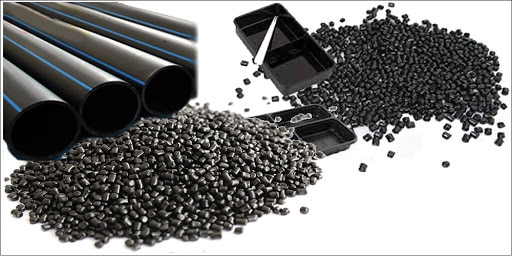 | masterbatches High-Quality Black Masterbatch Manufacturers and Supplies in India. Khetan Polytex is one of the leading black masterbatch manufacturers in India. View product → |
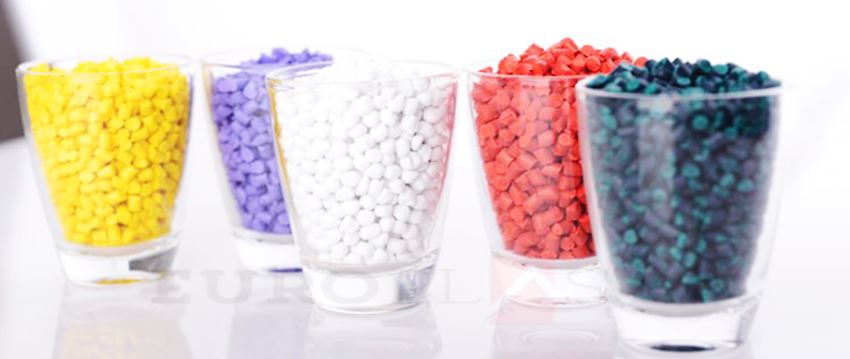 | FILLER MASTERBATCH Most Reliable Filler Masterbatch Manufacturers in Jaipur, India We have been continuously innovating their product lines to keep up with the demands... View product → |
Screen the formulation against compliance and service risks
A pigment declaration is not food-contact compliance. Check the complete formulation—polymer carrier, pigment, dispersant, lubricant, stabiliser, filler and processing aid—against the destination market. For EU sales, request the supporting documentation for Regulation (EU) No 10/2011 and confirm it covers the finished film, not only one ingredient.
| Application | Checks before approval | Risk if skipped |
|---|---|---|
| Food-contact bag | Confirm migration support for the complete formulation, intended food type, contact time and temperature | Carrier or additives can cause migration despite a listed pigment |
| Recycled-content bag | Trial representative recycled content and record melt flow, moisture, odour, contamination and shade variation | Masterbatch cannot cure incompatible polymers, unstable rheology or excessive contamination |
| Compostable bag | Assess every colourant and additive in the finished article; verify certification to EN 13432 for the defined packaging and test conditions | A biodegradable resin alone does not prove disintegration, biodegradation or ecotoxicity performance |
| UV-exposed bag | Match the package to film thickness, exposure, colour and service life; request weathering data for the actual formulation | “UV-stabilised” can conceal inadequate protection or pigment, HALS and absorber interactions |
| Detectable-black bag | Specify near-infrared-detectable black and test the film on the intended sorting equipment | Conventional carbon black can absorb the sorting signal and send a recyclable bag to reject |
Keep the approval file with formulation version, recycled feedstock source, exposure target, compliance declarations and test results. Recheck it after any carrier, pigment or additive substitution.
Frequently asked questions
How do you match a masterbatch carrier to carry bag resin?
Check that the carrier is compatible with the bag resin, such as LDPE, LLDPE, HDPE or a blend, and confirm performance at the intended processing conditions and end use.
How should you set masterbatch dosage for carry bags?
Set dosage from finished-film requirements, including colour strength, opacity, haze, film strength and cost, rather than choosing a percentage from pigment concentration alone.
What extrusion checks should manufacturers perform before approving a masterbatch?
Run the formulation on the intended line and check melt pressure, screen-pack loading, dispersion, gels, haze, output stability and film strength.
How should manufacturers compare carry-bag masterbatch samples?
Use measured colour, opacity, haze, film strength, seal performance and extrusion behaviour instead of judging pellet colour or appearance.
What compliance and service checks belong in a masterbatch approval process?
Review documents for the intended application, confirm restricted-substance and food-contact requirements where relevant, and record batch traceability, technical support and replacement controls.
Related products
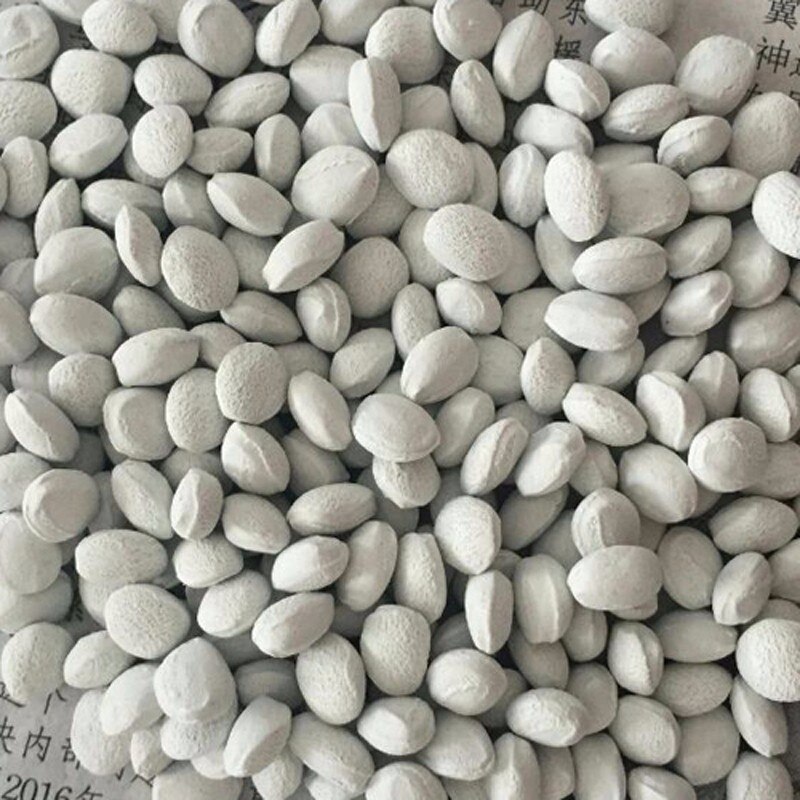 | Desiccant Masterbatch ₹55 Desiccant Masterbatches can counter problems that develop during the processing of plastics due to the presence of moisture and prevents the... View product → |
 | masterbatches ₹200 Khetan Polytex is a leading white masterbatch manufacturers that offer products with wide applications in the plastic industry. View product → |