Moisture is one of the most common causes of defects during plastic processing. Even small amounts of water present in recycled polymers or raw materials can lead to poor surface finish, bubbles, voids, and reduced mechanical strength. These problems often increase production costs through rejected batches and unnecessary downtime.
Desiccant masterbatches are specifically designed to absorb excess moisture during processing, allowing manufacturers to improve product quality without extensive pre-drying in many applications.
Plastic processors in Jaipur and across Rajasthan increasingly rely on these masterbatches to maintain production efficiency, particularly when working with recycled or moisture-sensitive materials.
How Moisture Affects Plastic Processing
Water trapped inside polymer granules expands into steam during extrusion or injection moulding. This can produce a range of manufacturing defects.
Common problems include:
- Surface pinholes
- Air bubbles
- Silver streaks
- Reduced strength
- Poor dimensional stability
- Inconsistent product appearance
Controlling moisture is therefore essential for maintaining consistent production quality.
What Is a Desiccant Masterbatch?
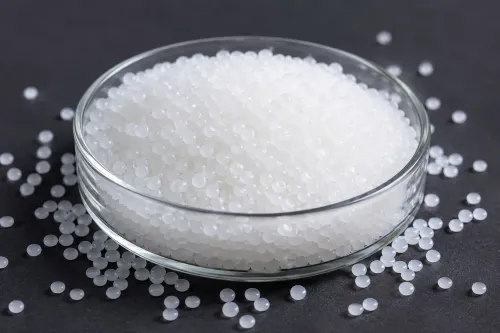
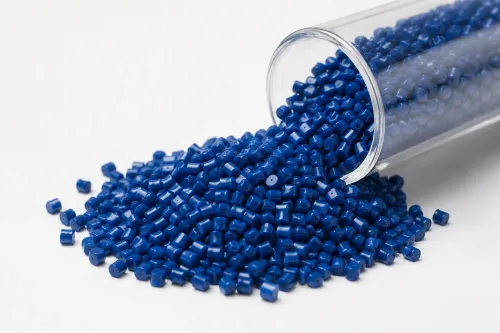
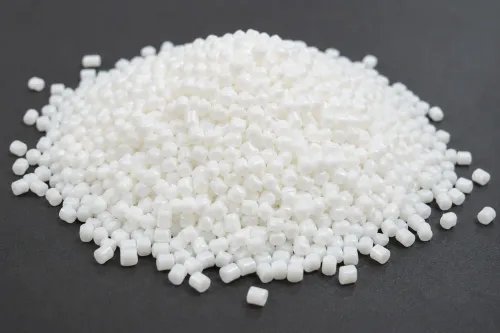
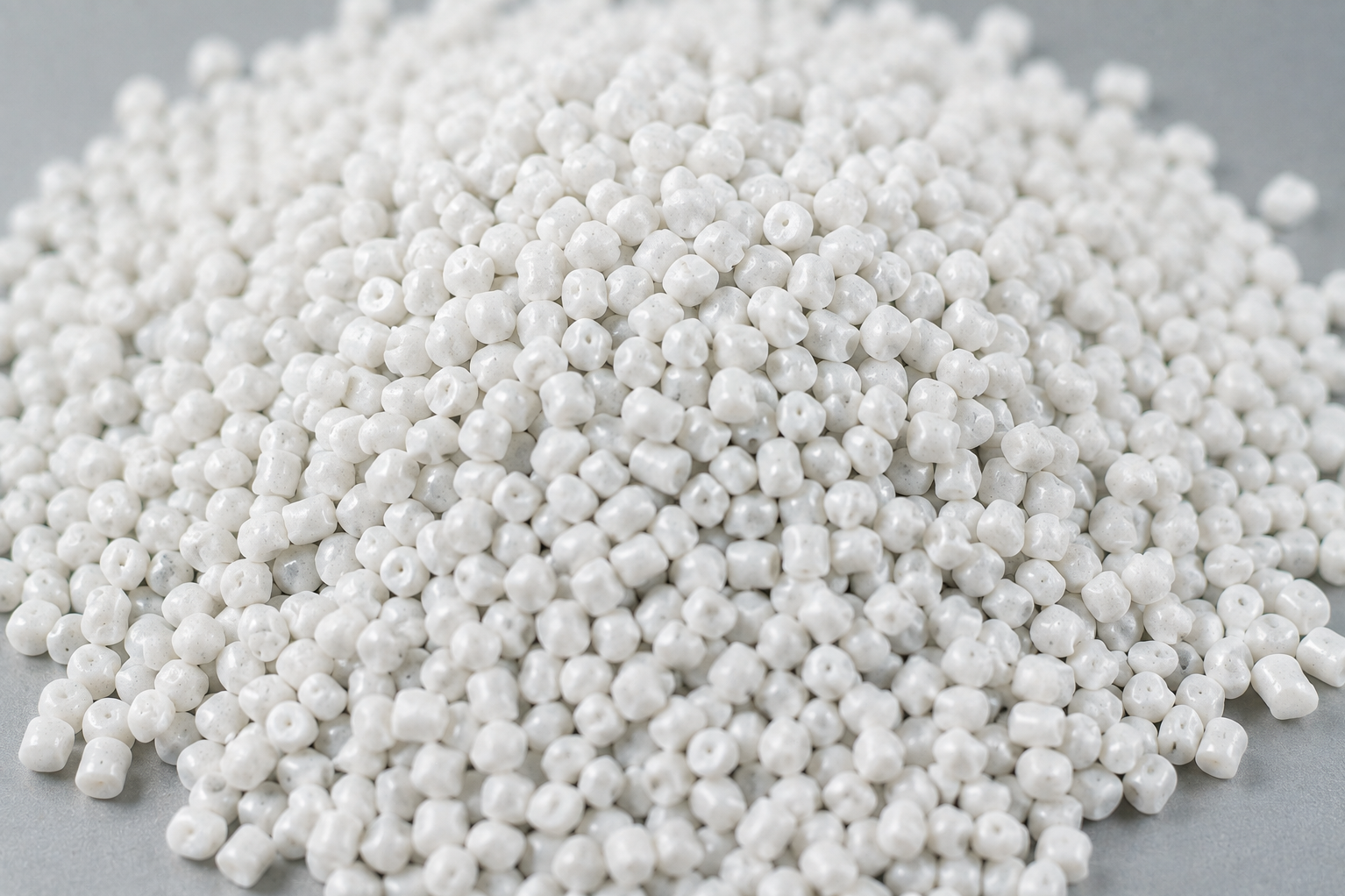
A desiccant masterbatch contains specialised moisture-absorbing additives dispersed in a compatible carrier resin. During processing, these additives bind with moisture and help prevent common defects caused by water contamination.
They are particularly useful when processing:
- Recycled plastics
- Polyethylene
- Polypropylene
- Film-grade polymers
- Blow moulding materials
- Injection moulding compounds
Benefits for Plastic Manufacturers
Using a suitable desiccant masterbatch offers several operational advantages.
These include:
- Reduced moisture-related defects
- Better surface finish
- Improved production efficiency
- Lower rejection rates
- Reduced drying costs in suitable applications
- More consistent product quality
For manufacturers handling large production volumes, these improvements can significantly reduce overall operating costs.
Selecting the Right Formulation
Different moisture levels require different desiccant capacities. Manufacturers should evaluate several factors before choosing a product.
Moisture Content
Highly contaminated recycled materials may require different formulations compared to virgin polymers.
Processing Method
Extrusion, injection moulding, and film production each have unique processing requirements.
Polymer Compatibility
A compatible carrier resin helps ensure uniform additive distribution throughout the material.
Dosage Recommendations
Following manufacturer guidelines helps achieve optimal performance while maintaining product quality.
Common Applications
Desiccant masterbatches are commonly used in:
- Carry bag manufacturing
- Agricultural films
- Packaging materials
- Blow moulded containers
- Plastic furniture
- Household products
- Industrial packaging
Their versatility makes them suitable for a wide range of manufacturing environments.
Why Consistent Quality Is Important
The effectiveness of a desiccant masterbatch depends largely on formulation quality and dispersion consistency. Poor-quality products may fail to absorb sufficient moisture or create additional processing challenges.
Khetan Polytex Private Limited develops desiccant masterbatch solutions designed for reliable moisture control across multiple plastic processing applications. Businesses researching suitable formulations often explore technical resources available through rajhansmasterbatches.com before selecting products for commercial production.
As recycled materials become more common in manufacturing, desiccant masterbatches continue to play a vital role in helping processors achieve better quality, improved efficiency, and more dependable production results.