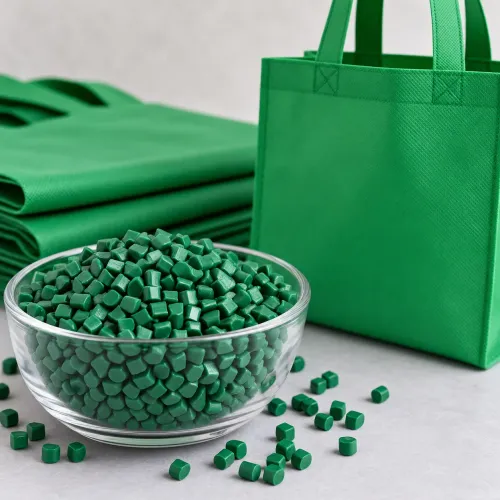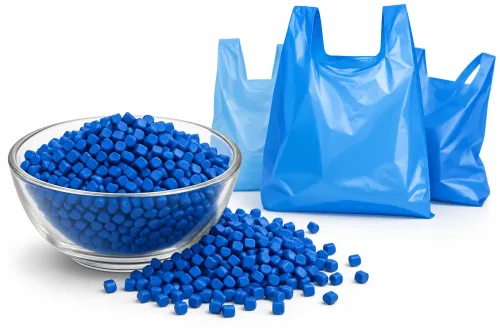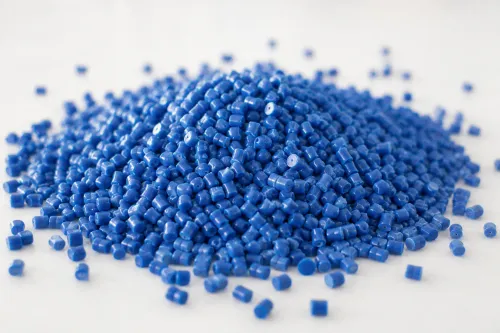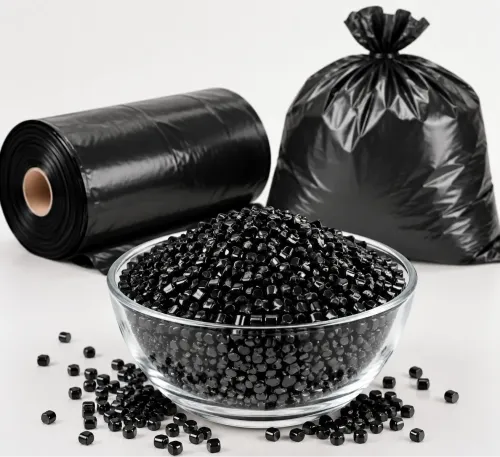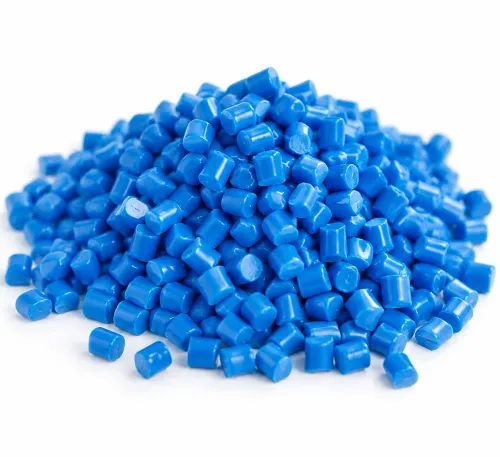
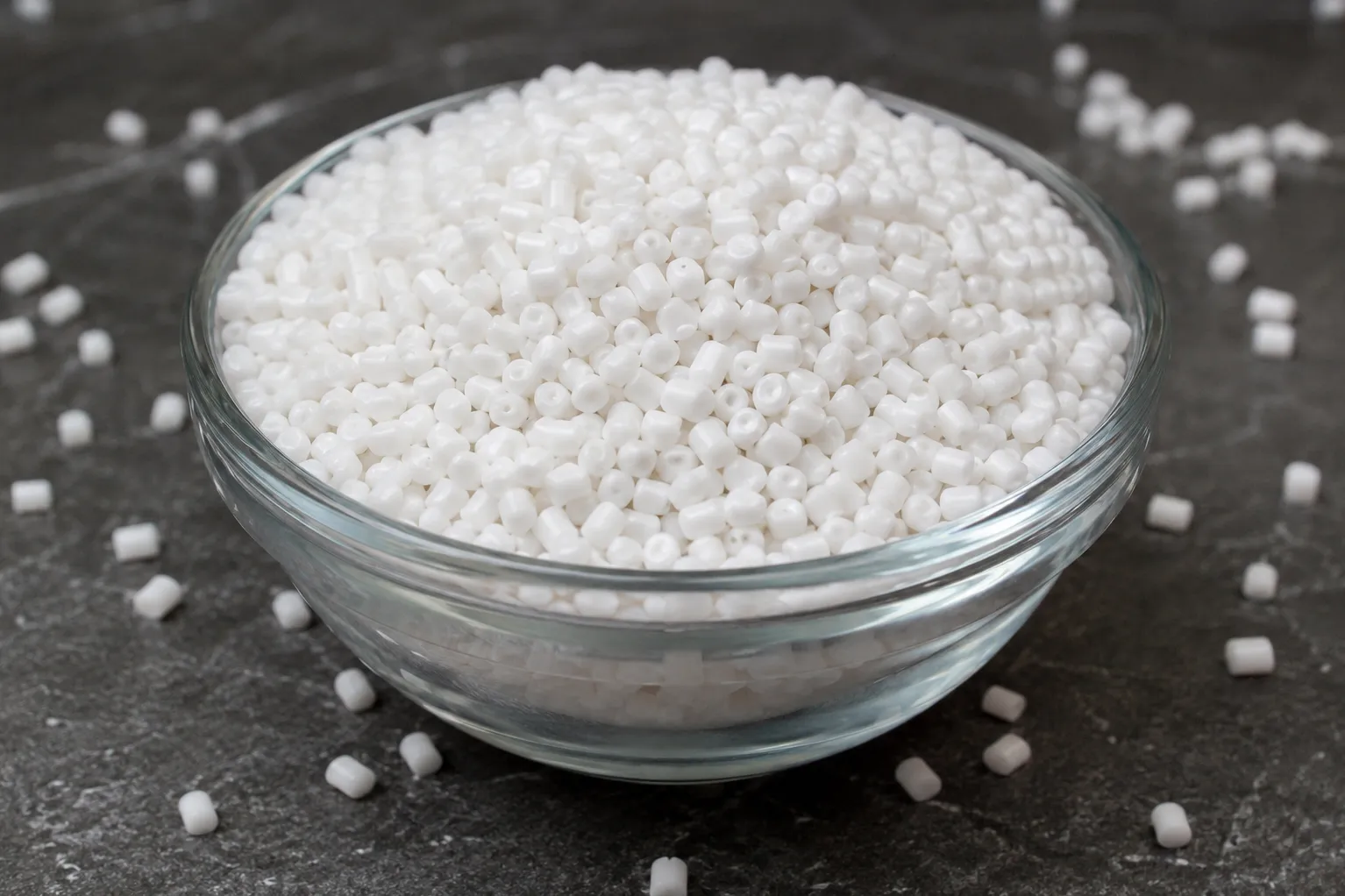
Partially Oriented Yarn is an important intermediate material in synthetic textile manufacturing. Because POY frequently undergoes further drawing, texturing, or conversion, maintaining consistent colour from the initial spinning stage is essential. Appropriate Masterbatches for POY can help manufacturers establish controlled colouration while supporting repeatable yarn production.
The objective is not simply to create the required shade. The masterbatch also needs to distribute effectively within the polymer under actual spinning conditions.
Colouring Requirements in POY Manufacturing
High-speed yarn production can make small inconsistencies significant across large manufacturing volumes.
Manufacturers commonly evaluate:
- Pigment dispersion
- Thermal stability
- Colour strength
- Polymer compatibility
- Dosing consistency
- Yarn appearance
- Batch repeatability
The ideal combination depends on the polymer, yarn specification, machinery, and downstream textile application.
Fine Dispersion Supports Yarn Uniformity
POY consists of fine continuous filaments. Pigment agglomerates or uneven distribution can therefore influence both appearance and processing.
Well-dispersed Masterbatches for POY help distribute colour throughout the polymer melt before filament formation.
Processors should assess the resulting yarn rather than judging masterbatch quality only through pellet appearance or laboratory colour samples.
Downstream Processing Needs Consideration
POY is usually processed further before becoming a finished textile product.
A colour that appears acceptable immediately after spinning should also be examined after subsequent processing whenever practical. This helps manufacturers determine whether the formulation maintains visual consistency throughout the production chain.
Building a Reliable Trial Process
Important observations during production trials may include:
- Shade at the intended dosage
- Spinning stability
- Yarn uniformity
- Package-to-package consistency
- Behaviour during subsequent processing
- Finished textile appearance
Documenting processing parameters alongside these results makes future shade reproduction easier.
Textile Production in the Regional Market
Rajasthan has an established textile manufacturing ecosystem, while Jaipur serves as an important commercial centre connecting suppliers with processors throughout the state.
Khetan Polytex Private Limited manufactures masterbatch solutions for multiple polymer-processing applications. POY manufacturers can communicate polymer type, processing temperature, desired shade, yarn specification, and intended end use while evaluating suitable materials.
Combining appropriate Masterbatches for POY with accurate dosing and controlled processing parameters can help manufacturers maintain more predictable colour across repeated yarn production.
Keywords