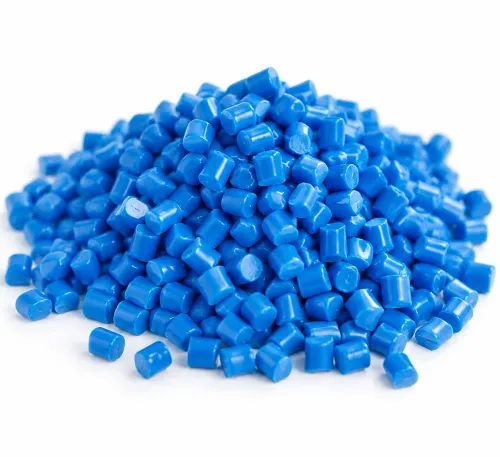
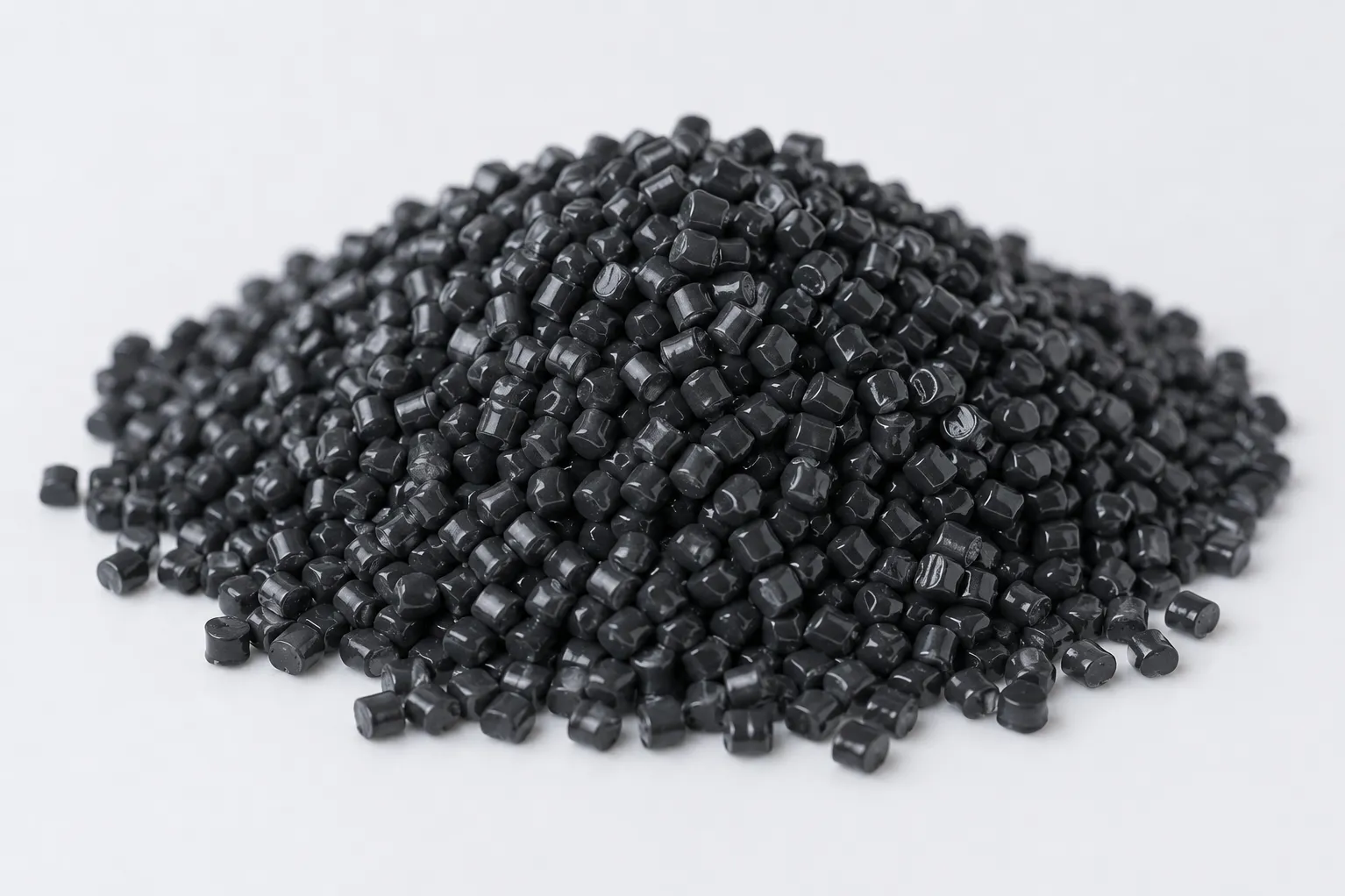
Polyester staple fibre production requires careful control over colour, dispersion, thermal stability, and processing consistency. When fibres are manufactured continuously in large volumes, even minor pigmentation variations can become noticeable in the finished material. This makes selecting suitable Polyester staple fiber masterbatches important for manufacturers seeking predictable fibre quality.
Polyester staple fibres are widely used in textiles, non-woven products, filling materials, home furnishings, automotive applications, and various industrial products. Each application can have different expectations for colour strength, appearance, and processing performance.
Why Colour Consistency Matters in Fibre Manufacturing
Fibre manufacturers often need to reproduce the same shade across multiple production batches. Uncontrolled variations can affect downstream spinning, fabric production, customer approvals, and repeat orders.
Suitable masterbatches can support:
- Uniform pigment distribution
- Consistent shade development
- Controlled dosing
- Improved batch repeatability
- Easier colour management
- Reduced direct pigment handling
Final performance, however, depends on both the formulation and manufacturing conditions.
Dispersion Plays a Critical Role
Polyester is converted into fine fibres, making pigment dispersion particularly important. Poorly dispersed pigment particles may result in uneven colouring, visible specks, or inconsistent fibre appearance.
Good dispersion distributes colour throughout the polymer melt before fibre formation. Manufacturers should therefore assess performance in actual processed fibre rather than relying solely on the appearance of masterbatch granules.
Thermal Stability Needs Attention
Polyester processing involves elevated temperatures. Pigments used in Polyester staple fiber masterbatches should therefore be suitable for the intended thermal conditions.
Heat exposure can affect some colour systems and lead to unwanted shade changes. Processing temperature, residence time, polymer grade, and equipment conditions should all be considered during production trials.
Establishing Reliable Production Parameters
Before introducing a formulation into regular production, manufacturers can conduct controlled trials and document important parameters such as:
- Masterbatch dosage
- Processing temperature
- Colour development
- Dispersion quality
- Fibre appearance
- Production stability
- Repeatability between batches
Keeping accurate trial records can simplify future shade reproduction.
Supporting Fibre Manufacturing Requirements
Jaipur has strong commercial connections with textile and polymer-processing businesses across Rajasthan. Manufacturers serving regional and national customers require consistent raw materials because input variations can affect large production schedules.
Khetan Polytex Private Limited operates in the masterbatch manufacturing sector with solutions for different polymer-processing requirements. Polyester staple fibre manufacturers can communicate their polymer grade, target shade, processing temperature, dosage expectations, and finished application when evaluating a formulation.
Selecting Polyester staple fiber masterbatches according to actual fibre-processing requirements provides a stronger foundation for consistent commercial production.
Keywords