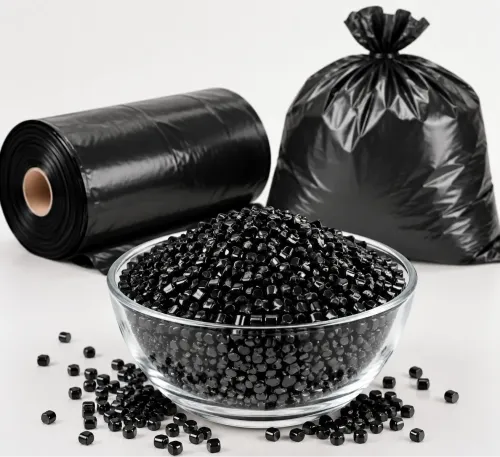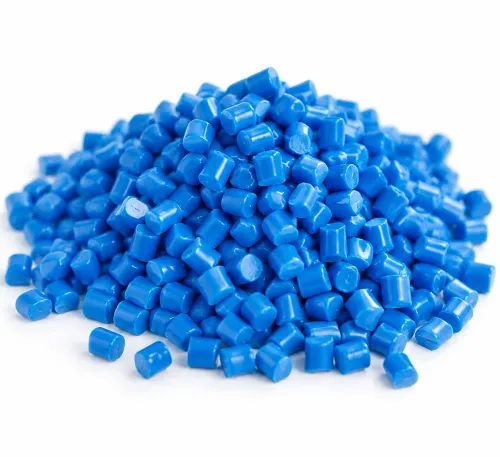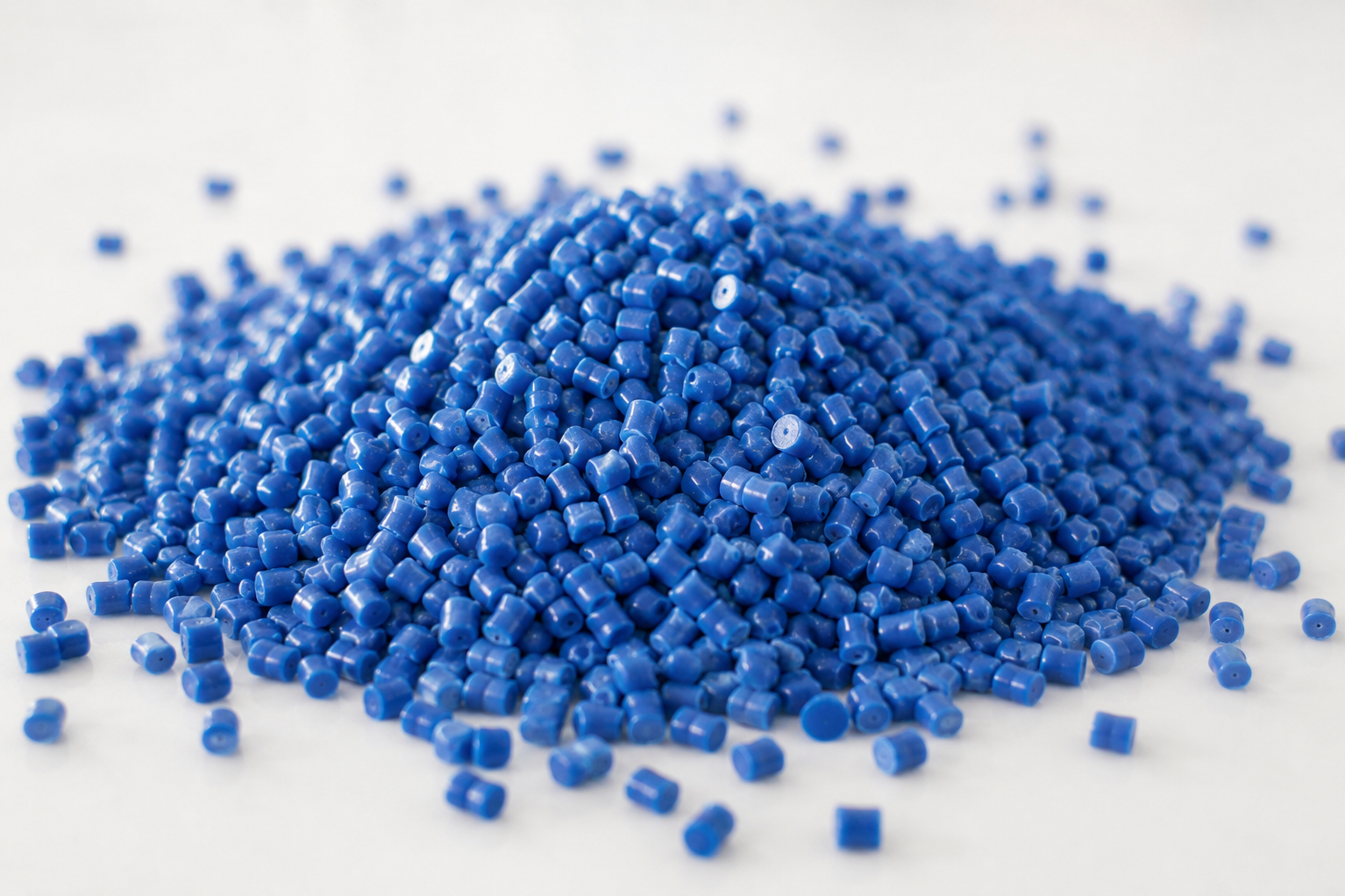
Polypropylene carry bags need a combination of functional performance and acceptable visual quality. Whether the bags are manufactured for retail, promotional, packaging, or reusable applications, colour consistency can influence how the finished product is perceived. This makes the selection of Masterbatches for Polypropylene carry bags an important production decision.
For processors in Jaipur and the wider Rajasthan plastics market, choosing a masterbatch begins with understanding how the formulation interacts with polypropylene under actual processing conditions.
Polypropylene Compatibility Comes First
Masterbatch is not simply pigment in pellet form. The carrier system influences how efficiently the colour is incorporated into the polymer.
When producing polypropylene carry bags, processors should confirm that the selected grade is appropriate for the PP system and manufacturing method.
Poor compatibility can contribute to problems such as uneven dispersion, inconsistent appearance, processing instability, and difficulty achieving the required shade.
The application should therefore be discussed in terms of both colour and polymer.
Bag Construction Influences Colour Requirements
Not every polypropylene carry bag is produced to the same specification.
Some applications require strong, solid colours. Others use lighter shades, printed surfaces, or customer-specific branding colours. Thickness and surface characteristics can also influence the final appearance.
Manufacturers may need to evaluate:
- Target shade
- Bag thickness
- Required opacity
- Surface finish
- Printing requirements
- Polymer grade
- Processing temperature
- Masterbatch dosage
Understanding these parameters helps prevent selection based purely on a sample colour.
Consistency Matters for Branded Applications
Retail and promotional carry bags frequently need to maintain a recognizable colour across different production batches.
If the shade changes noticeably from one lot to another, the inconsistency may become visible when products are displayed together.
This makes repeatability an important consideration when evaluating Masterbatches for Polypropylene carry bags.
Processors should maintain controlled production parameters wherever possible and compare approved colour standards against new production batches.
Dispersion Influences Surface Appearance
Even when the shade is technically correct, poor pigment dispersion can affect the visual quality of the bag.
Specks, streaks, and uneven colour distribution may be especially noticeable on smooth or highly visible surfaces. Good dispersion helps pigments distribute more uniformly through the polymer melt.
For manufacturers running larger production volumes in Rajasthan, this can also support more predictable quality control.
Frequently Asked Questions
How Should a Manufacturer Evaluate a New Masterbatch
A production trial using the intended polypropylene grade is useful. The processor can evaluate colour, dispersion, surface appearance, processing behaviour, and dosage before approving larger quantities.
Does Bag Thickness Affect Colour Appearance
Yes. The apparent colour and opacity can change with material thickness, making it important to test under representative production conditions.
Should Printing Requirements Be Discussed Before Selection
Yes. If the carry bag will be printed, the overall colour and surface requirements should be considered during material selection.
Khetan Polytex Private Limited supplies masterbatch solutions for different polymer-processing applications. Providing accurate processing and product details helps the manufacturer understand what the customer expects from the finished carry bag.
Selecting Masterbatches for Polypropylene carry bags is ultimately about achieving dependable interaction between colour formulation, polymer, processing conditions, and product design. Evaluating these factors before commercial production can help processors reduce avoidable colour adjustments and produce more consistent bags.